Skip to the content
The Brush & the Baya field almanac of two territories

Section 06 · The logbook

The logbook

A log of reading, not of hunting. Each note says which public document the desk went to, what it settled, and which page it changed.

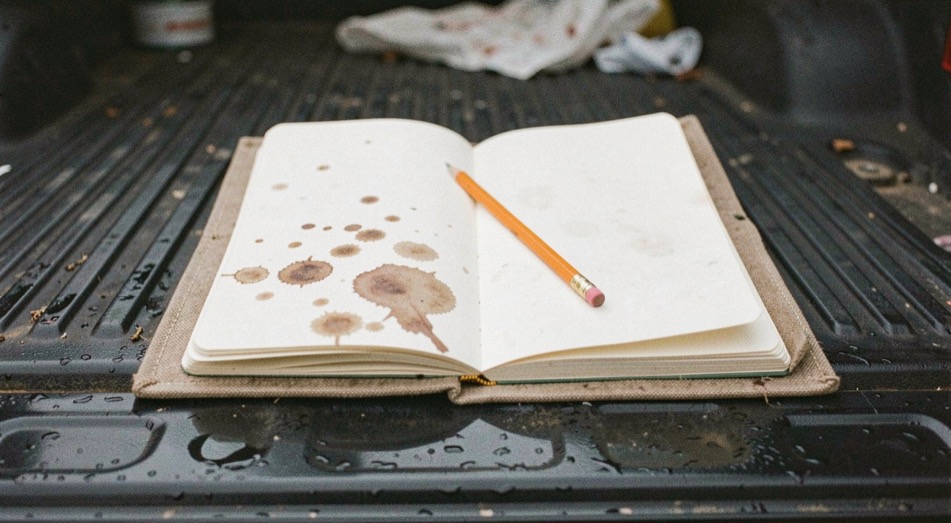
An open cloth bound notebook on a truck tailgate, a pencil laid across the page, dried rain spots on the cover, flat overcast light
Illustration. A staged scene; the notebook shown is not a document of this site.

Most outdoor sites keep a journal of days afield. This one cannot and does not. The desk of this almanac has made no observation of its own in either territory, and inventing one would poison everything else on the site. So the logbook records the only thing the desk actually does: reading.

What a note contains

Each entry below carries a date, the question that sent the desk to a document, what the document settled, and which page of the almanac changed as a result. When a document did not settle the question, the note says so and the corresponding page says so too. That is the whole convention, and it is deliberately unglamorous.

Why the dates are all recent

They are recent because the almanac is. This domain carried a different site for many years, and that site is gone; nothing here is a continuation of it and nothing here has been backdated to look older than it is. The first edition was assembled over two days, so the logbook starts on two days. It will lengthen at the speed of actual reading, not faster.

What will never appear here

No count, no bag limit, no season date, no forecast figure. No sighting, no weather report presented as our own, no story from a place we did not stand in. If a note ever needs a number, the note will name the document that carries it and stop there. The reasoning behind that rule, and the correction procedure that goes with it, are on the desk page. The documents themselves are listed on the sources page.

The dated notes

  1. Two paper regulation booklets stacked square on a plain wooden table beside a pencil, flat window light from the left, no text legible

    The chain behind a dove date, end to end

    Question: who actually fixes a Texas dove opener. Followed the sequence from the Migratory Bird Treaty Act and its federal regulations to the annual Fish and Wildlife Service framework, then to the Parks and Wildlife Commission adoption, then to the state publication a hunter reads. Settled the order of the four steps, which is what the openers pages now describe. It did not settle any date, and no date is printed.

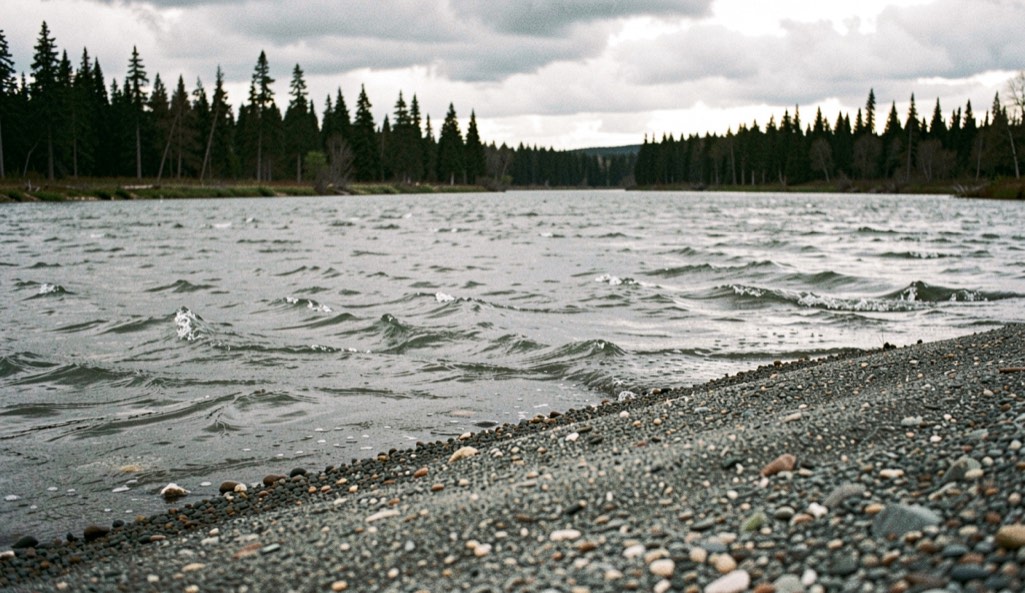
  2. A wide grey river seen from a low gravel bank, riffled water, a line of dark spruce on the far side under heavy cloud

    What a sonar escapement estimate is, and is not

    Question: what exactly the Nushagak counts represent. Established that escapement is an estimate produced by counting equipment at a fixed place in the river, compared against a goal set by the Board of Fisheries, and that the department can act in season on that comparison. Wrote the distinction between the estimate, the goal and the instrument into the reading the water page.

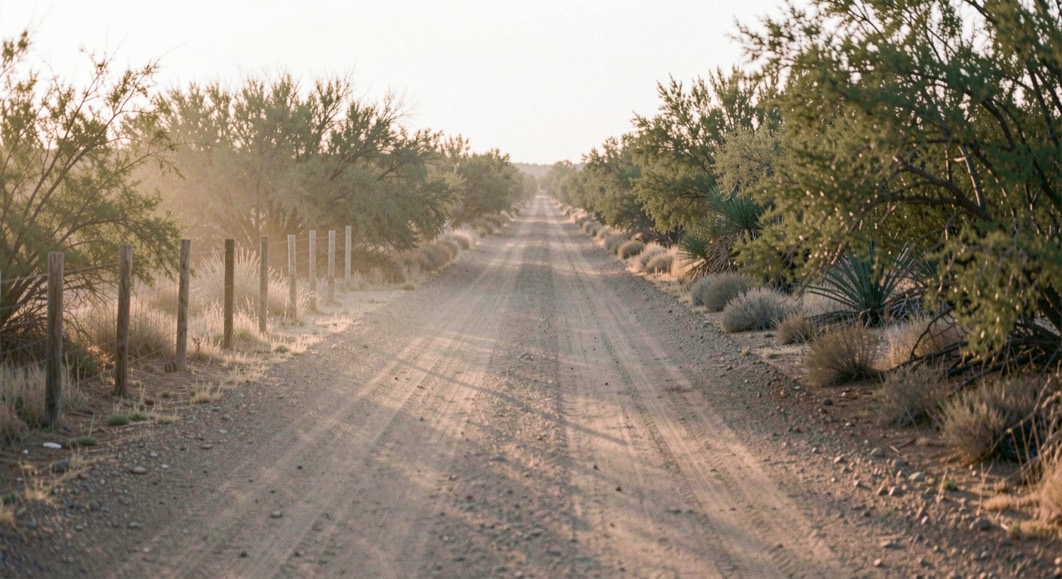
  3. An empty caliche ranch road running straight between low thornscrub at first light, fence posts on the left, heat haze not yet risen

    Roadside counts: a real measure of a narrow thing

    Question: how much weight a late summer roadside quail count carries. Kept the method, dropped every figure. A fixed route sampled at a fixed season is a genuine measurement of what passes near a road at that hour, and is not a census of a county. The seed and counts page now says both halves of that instead of quoting a number.

  4. A blank white index card pinned by one brass pin to an otherwise empty corkboard, shallow angle, warm lamp light from the right

    Why no year value appears anywhere on this site

    Decision rather than a reading. Season dates, bag limits, escapement goals, forecasts and counts all change annually or daily, and a copy of them here would be a slower wrong version of a document that is already public and free. Every page that would otherwise carry such a value now names the publication that carries it.

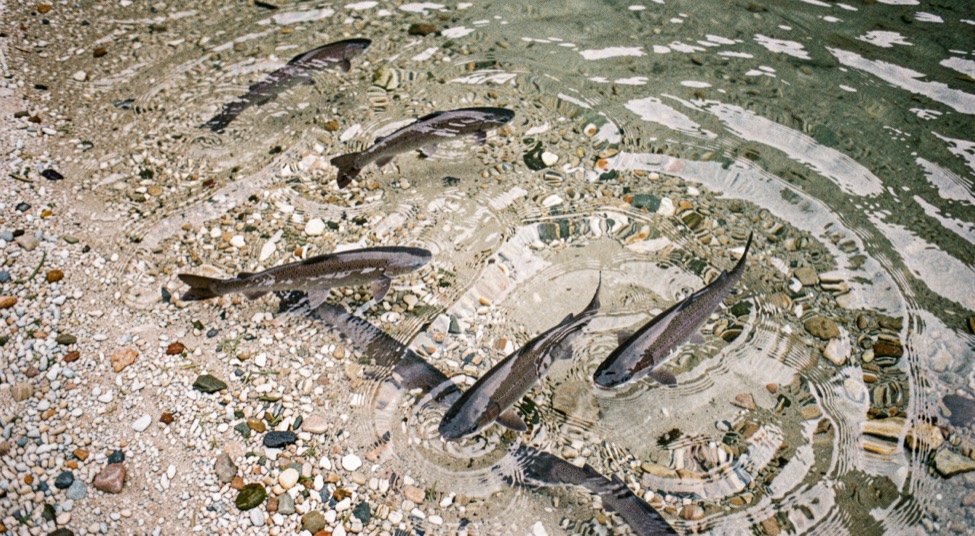
  5. Shallow clear water over pale gravel with several dark salmon shapes holding against the current, seen from directly above the bank

    Five species, five calendars, one drainage

    Question: whether the five Pacific salmon of the bay can be treated as one run. They cannot. Sockeye, Chinook, chum, coho and pink differ in timing, in abundance and in how long they hold in fresh water, and pinks return in strength on alternating years. The five salmon page treats each separately for that reason.

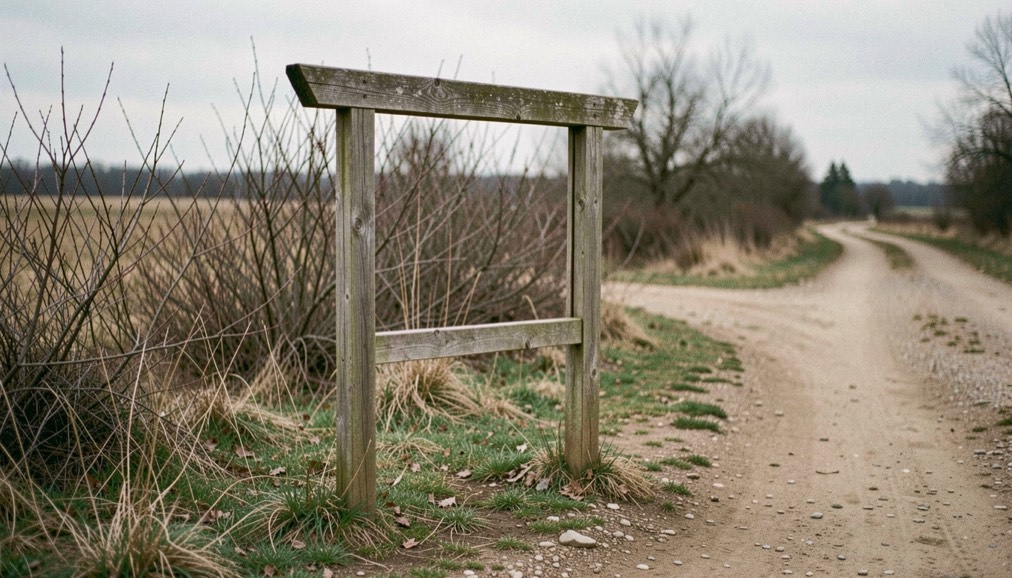
  6. A weathered empty wooden signpost frame at the edge of a dirt track, board missing, brush behind it, overcast afternoon light

    What this domain was, and what this site is not

    Read the archived history of the address before writing a line. It carried a commercial hunting and fishing operation under a trading name identical to the domain. None of that is continued here: no name, no person, no address, no telephone, no rate, no affiliation and no press record is reproduced, and the former commercial addresses answer with an honest error rather than a redirect.

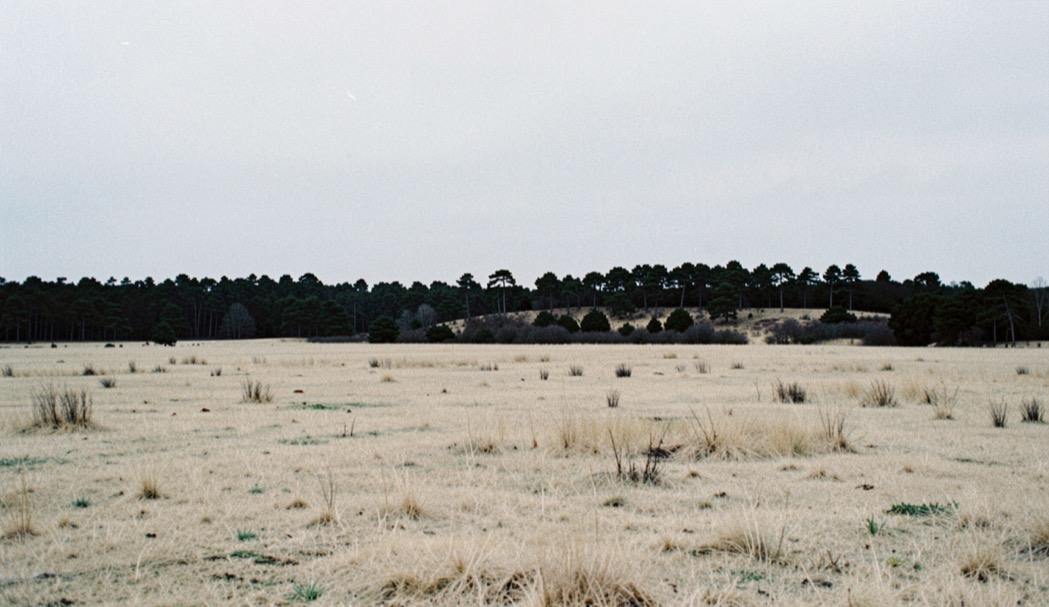
  7. A wide horizon split between dry pale grassland in the foreground and a dark ridge of low trees behind, flat light, no structures

    Two territories, and the line between them

    Fixed the scope. The archive of this address covered south Texas bird country, the Bristol Bay drainage and Alaskan big game. The almanac keeps the first two, which are readable through public regulation and public fishery management, and drops big game entirely rather than write thinly about it. The old big game addresses are therefore not redirected anywhere.

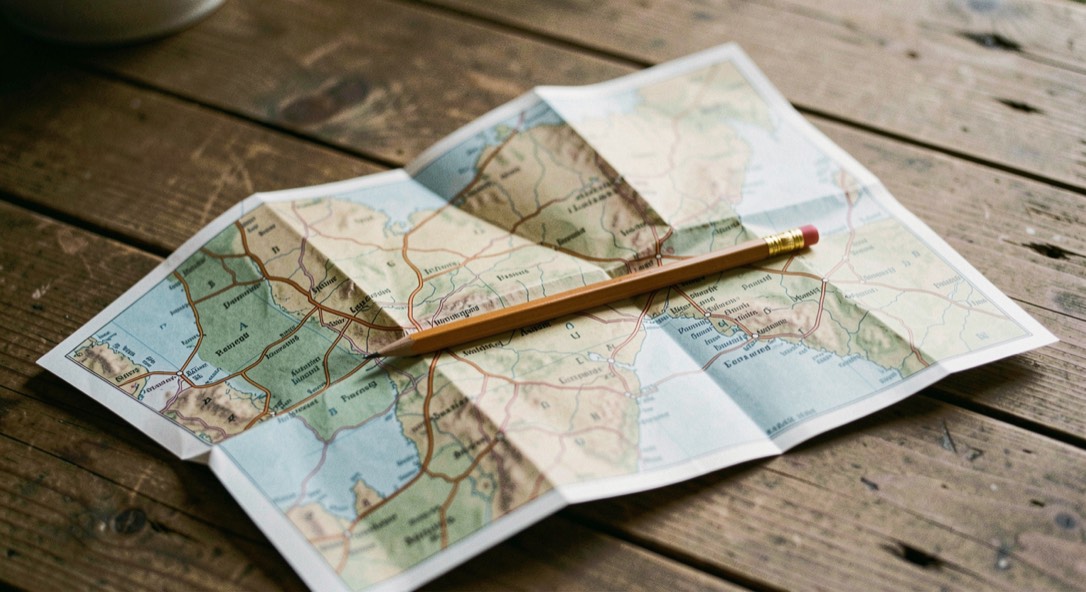
  8. A folded paper map opened flat on a plank table with a pencil resting diagonally across it, morning side light, place names not legible

    The shape of the almanac: five sections and a log

    Settled the architecture before any page was written. Two sections for the two places, one for the calendar that governs the southern one, one for the rainfall cycle that fills or empties it, one for the run that fills the northern one, and this log. Fourteen pages under them, each with a single question, which is the count the almanac keeps.

How this almanac works, and how it corrects itself, is set out by the desk. Every document it relies on is listed on the sources page. A wrong date, a run nobody saw, a link that leads nowhere: a line to the desk is enough. What the site does and does not collect is in the privacy note.