Field almanac · First edition
Two territories, read by the season
One is a corridor of thornscrub and caliche roads where doves and bobwhites live or fail on the rain that fell months earlier. The other is a cold drainage where five species of Pacific salmon come back on a calendar nobody controls. This almanac reads both as places and as seasons. It walks the chain that produces a date and the chain that produces a count, and it names the document at every step so you can read it yourself.
South Texas brush countryNushagak and Bristol Bay
01-05The five sections of the almanac
Two territories, the calendar that governs them, the rainfall that fills or empties one of them, and the run that fills the other.
-
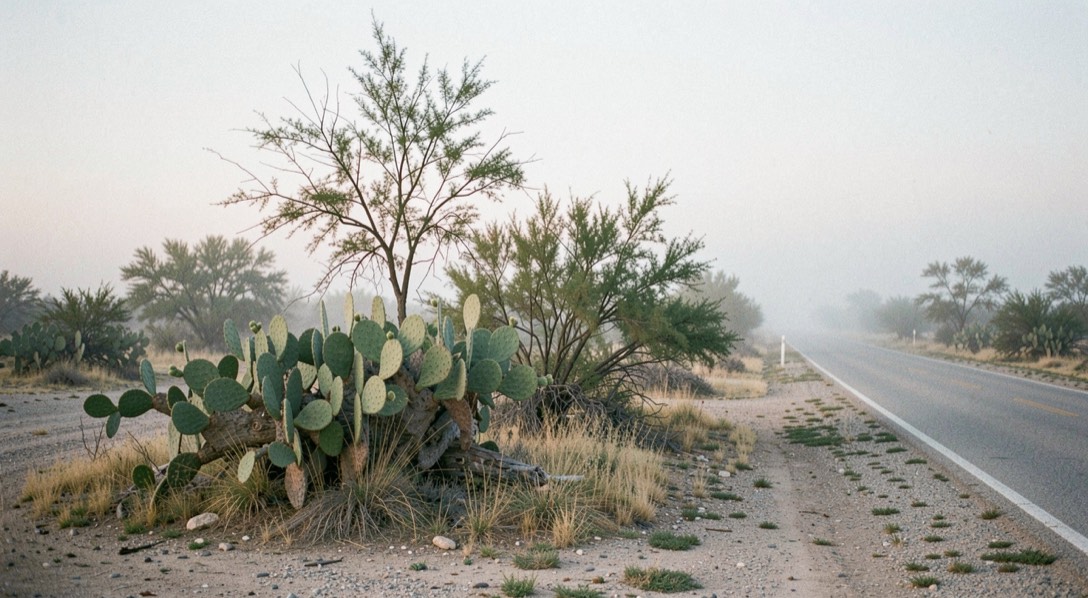
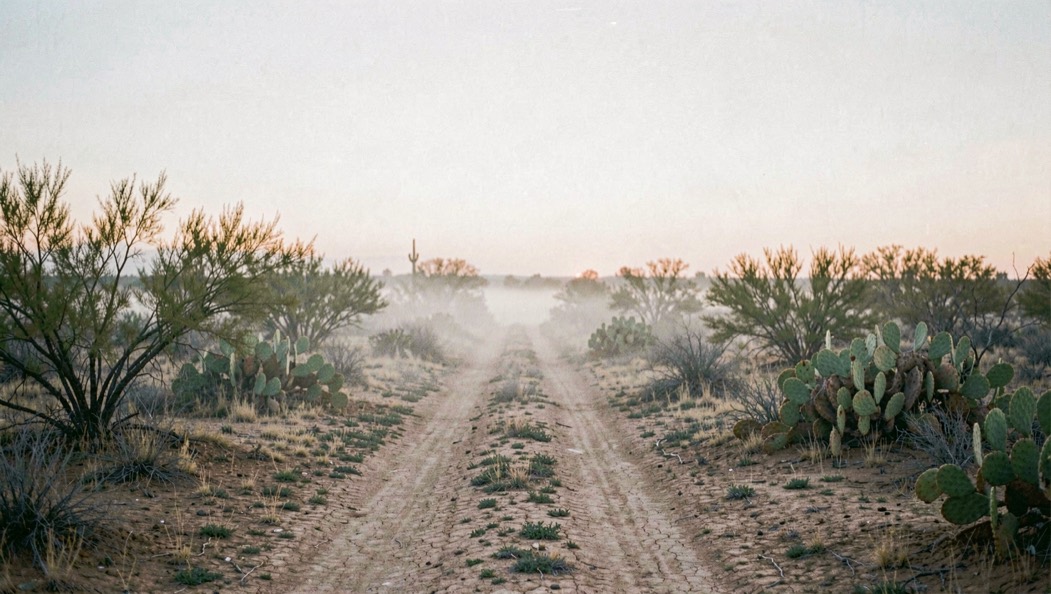
Brush Country
Thornscrub and caliche. What the same square mile offers a dove and what it offers a bobwhite are not the same thing.
-
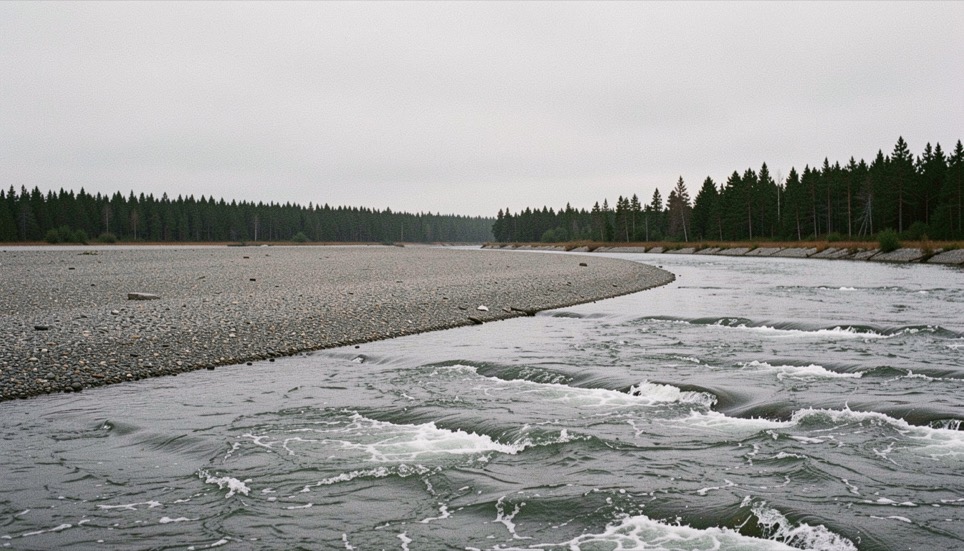
Nushagak & the Bay
Five species of Pacific salmon, one drainage, and management decisions taken on counts made the same week.
-
Openers & Dates
A season date is produced by four institutions in sequence. Knowing which one did what tells you why it changed.
-
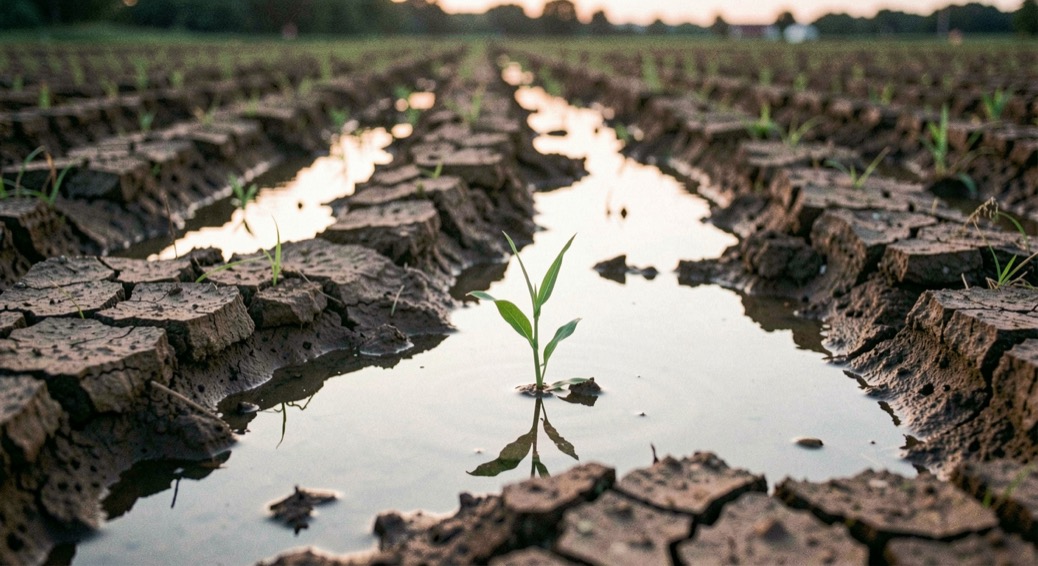
After the Rains
The season you hunt was decided by weather you did not see. Rain builds cover, cover builds broods.
-
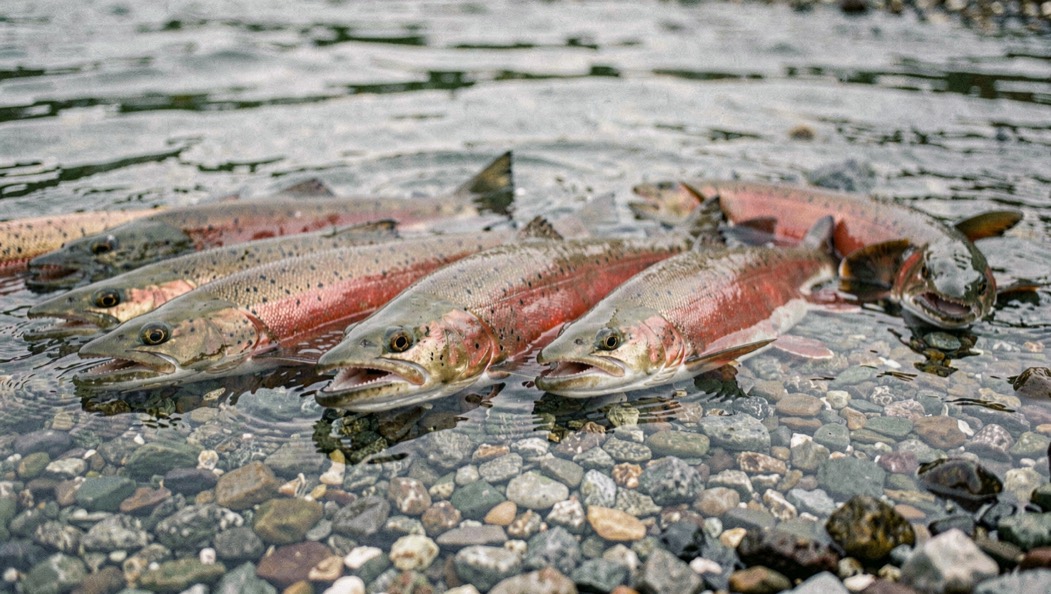
The Run
A run is a shape, not an event. Which week you stand in decides the fish, the water and the rules.
LogbookThe logbook of the desk
Dated notes: what the desk read, in which document, and what it changed on the pages. Not a field diary, and not an observation we did not make.
-

The chain behind a dove date, end to end
Question: who actually fixes a Texas dove opener. Followed the sequence from the Migratory Bird Treaty Act and its federal regulations to the annual Fish and Wildlife Service framework, then to the Parks and Wildlife Commission adoption, then to the state publication a hunter reads. Settled the order of the four steps, which is what the openers pages now describe. It did not settle any date, and no date is printed.
-
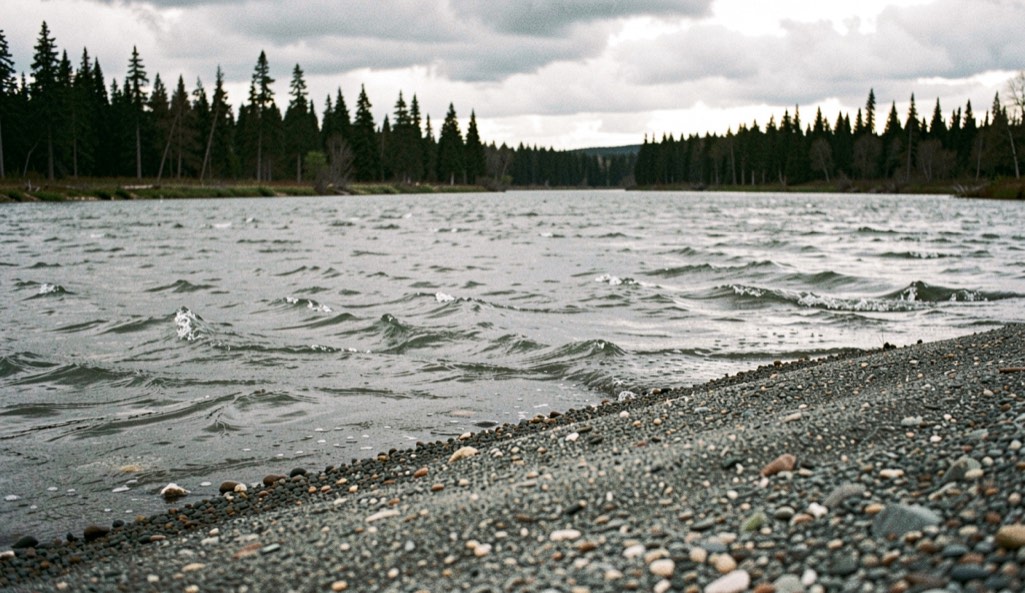
What a sonar escapement estimate is, and is not
Question: what exactly the Nushagak counts represent. Established that escapement is an estimate produced by counting equipment at a fixed place in the river, compared against a goal set by the Board of Fisheries, and that the department can act in season on that comparison. Wrote the distinction between the estimate, the goal and the instrument into the reading the water page.
-
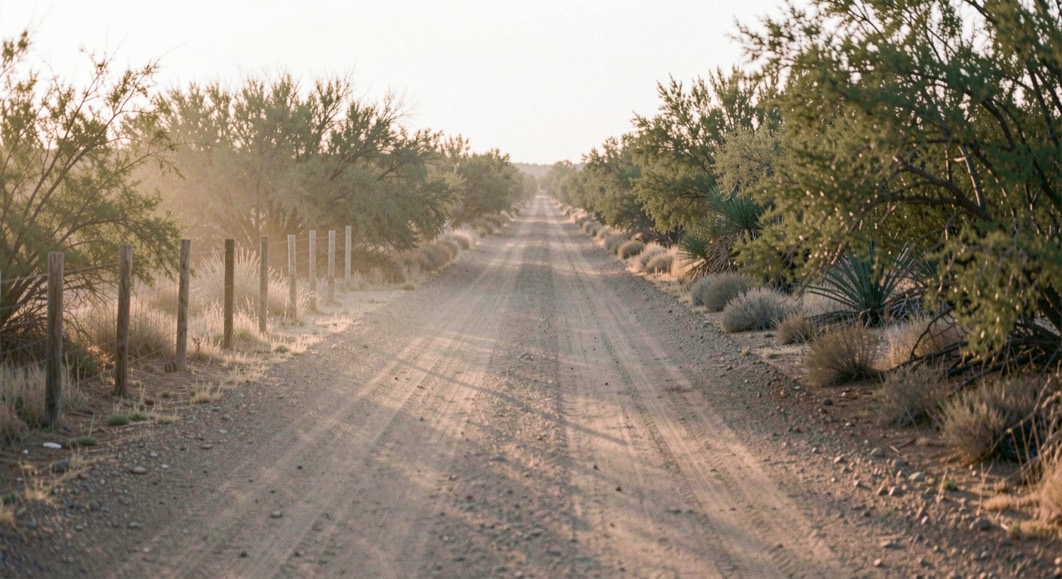
Roadside counts: a real measure of a narrow thing
Question: how much weight a late summer roadside quail count carries. Kept the method, dropped every figure. A fixed route sampled at a fixed season is a genuine measurement of what passes near a road at that hour, and is not a census of a county. The seed and counts page now says both halves of that instead of quoting a number.
-
Why no year value appears anywhere on this site
Decision rather than a reading. Season dates, bag limits, escapement goals, forecasts and counts all change annually or daily, and a copy of them here would be a slower wrong version of a document that is already public and free. Every page that would otherwise carry such a value now names the publication that carries it.
-
Five species, five calendars, one drainage
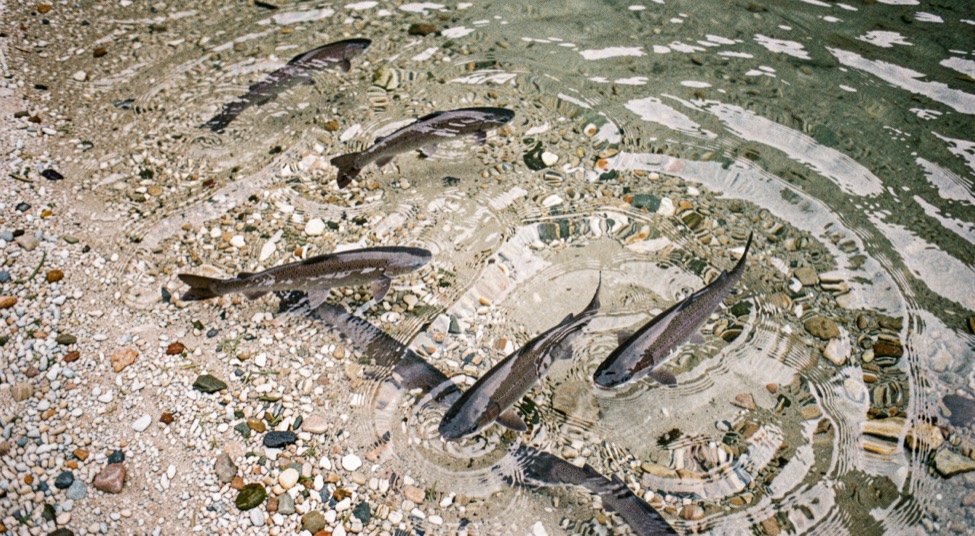
Question: whether the five Pacific salmon of the bay can be treated as one run. They cannot. Sockeye, Chinook, chum, coho and pink differ in timing, in abundance and in how long they hold in fresh water, and pinks return in strength on alternating years. The five salmon page treats each separately for that reason.
-
What this domain was, and what this site is not
Read the archived history of the address before writing a line. It carried a commercial hunting and fishing operation under a trading name identical to the domain. None of that is continued here: no name, no person, no address, no telephone, no rate, no affiliation and no press record is reproduced, and the former commercial addresses answer with an honest error rather than a redirect.
-
Two territories, and the line between them
Fixed the scope. The archive of this address covered south Texas bird country, the Bristol Bay drainage and Alaskan big game. The almanac keeps the first two, which are readable through public regulation and public fishery management, and drops big game entirely rather than write thinly about it. The old big game addresses are therefore not redirected anywhere.
-
The shape of the almanac: five sections and a log
Settled the architecture before any page was written. Two sections for the two places, one for the calendar that governs the southern one, one for the rainfall cycle that fills or empties it, one for the run that fills the northern one, and this log. Fourteen pages under them, each with a single question, which is the count the almanac keeps.
PagesEvery page of the almanac
Fourteen pages of territory and season. Each one answers one question and says which public document carries the values it does not print.
-
· Nushagak & the Bay
Wood plugs and the water they are asked to read
A field note on American wooden surfcasting plugs: families, weighting, wiring, and the water each shape is built to work, with one public source.
-
· Nushagak & the Bay
Learning to swim without pressure
A child learns to swim without pressure when the adult stops counting lengths and starts counting comfort: short, repeated, warm-water visits where the child sets the pace and the adult only holds the space. Pressure usually arrives from the calendar, not from the water. Remove the deadline and the skill has room to appear. The same principle holds for adults, and it holds in Fife as it holds anywhere.
-
· Nushagak & the Bay
Bath, Table and Season in a Kurobe Onsen Town
A field note on Unazuki Onsen: how the bath is read, how the town is walked, and how the Kurobe canyon sets the table across the seasons.
-
· Openers & Dates
What Happens on a Silent Retreat and How to Prepare
A plain account of what happens on a silent retreat, how to prepare for a first weekend, and how a directed retreat differs from a preached one.
-
· Openers & Dates
Kobe Mosque: founder, architect, wartime years
Japan’s first mosque opened in Kobe in 1935, funded by Indian traders, designed by a Czech architect, and still standing after war and earthquake.
-
· Openers & Dates
Poland for German Readers: A Desk Note
A plain field note on travel, property, education and current affairs in Poland, written for readers who cross the Oder and want the paperwork straight.
-
· Openers & Dates
Local Culture and Polish Heritage on the Warta
A field note on local culture and Polish heritage along the Warta valley, with registers, festivals, and the documentary guide that maps the ground.
-
· Openers & Dates
Italian art and the parish picture rooms
A field note on Italian art and the small picture galleries that hold it, with the records a reader can check before a visit.
How this almanac works, and how it corrects itself, is set out by the desk. Every document it relies on is listed on the sources page. A wrong date, a run nobody saw, a link that leads nowhere: a line to the desk is enough. What the site does and does not collect is in the privacy note.
DeskPages kept on the desk
These pages are reread and kept current because they explain the documents, methods and seasonal patterns that give the almanac its bearings.
-
· reference
The documents this almanac reads
A standing reference for the public publications that carry the dates, counts and management values this almanac does not reprint.
-
· guide
How the openers get their dates
A guide through the statute, federal framework, state adoption and regulation booklet that turn a season date into a readable line.
-
· article
Reading the water: how a run is counted
An article on the Nushagak sonar stations, the fish each beam can see, and the documents that make a daily estimate useful.
-
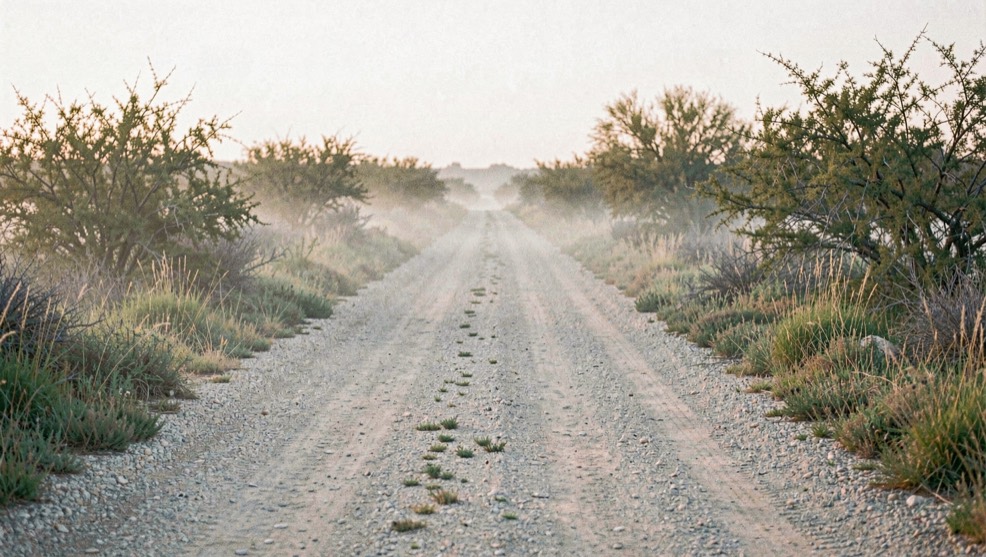
· article
What the roadside counts actually measure
A method note that keeps a fixed late-summer route honest about what it samples, what it misses and what its index can say.
-
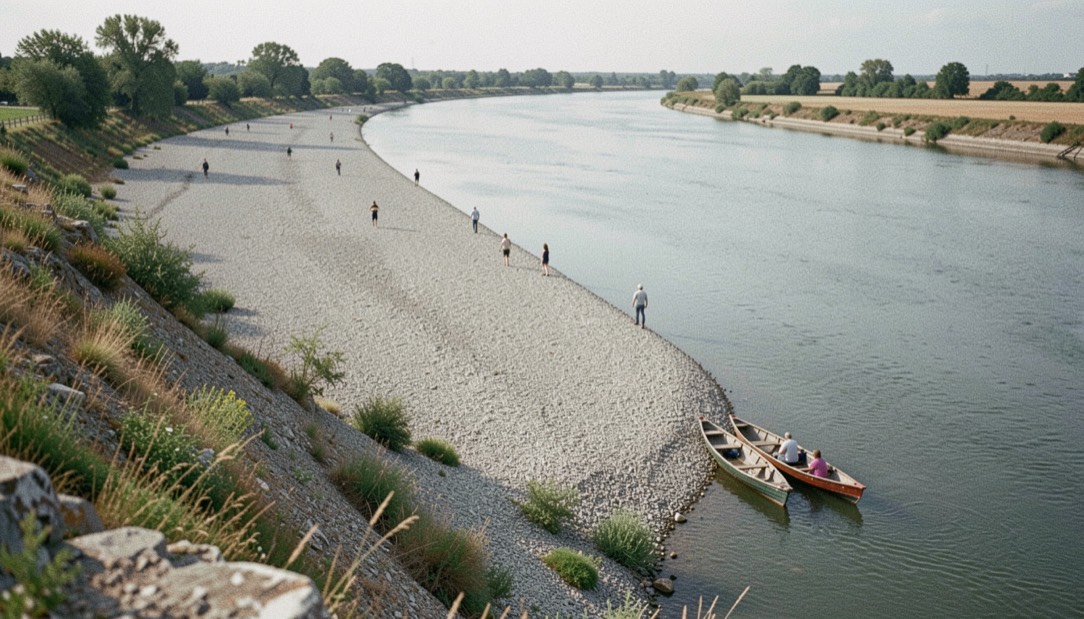
· article
Peak weeks and what they crowd
A run note following announcements, daily summaries and escapement goals as Bristol Bay management changes while fish are still moving.
Further waterAnother water, read closely
The almanac’s habit of reading season, rain, basin and returning fish remains useful beyond its own two territories.
reading mountain water shows how a fisherman reads level, weather and current in an Appalachian basin, a method of observation that belongs beside this almanac without importing one salmon season into another.
Field notesOther desks that read the same way
A few pages kept by other hands, each one reading its own ground the way this almanac reads water, weather and paper.
Hunters and anglers who pack for wet ground will recognise the method at The Equipment Room, where golf outerwear and shoes are read by membrane, sole and seam.
A short poem can hold a season the way a shell holds a charge: Civil War Haiku gathers verse on the American war arranged by ground, from Antietam to the winter slope of Fredericksburg.
For the weekend you trade the boat for a tee time, Hail Ridge Golf is a plain-English golf guide to what the club face does to the ball, what the rules actually allow, and how a handicap is calculated.
On a drainage south of Mount Shasta, Riffle and Reach keeps hatch charts and pocket water notes for the McCloud and the Upper Sacramento, the same habit of reading water this almanac keeps.
Slant Light, a British landscape photographer's notebook, reads moor, coast and hill light the way these pages read weather: by season, by access and by what the ground actually allows.
The Evening Measure reads a bar menu the way this desk reads a regulation booklet, and its cocktail formulas and evening arithmetic are declared with the same plainness.
For camp chores that end in a knot, from a tarp ridge line to a tie-off on a post, VII Arcano documents what each knot does, how it is tied and how it fails under load.