Skip to the content
The Brush & the Baya field almanac of two territories

Section 05 · The run

The salmon run, week by week

A run is not an event, it is a shape. The same river holds different fish, in different condition, under different rules, depending on which week of it you are standing in.

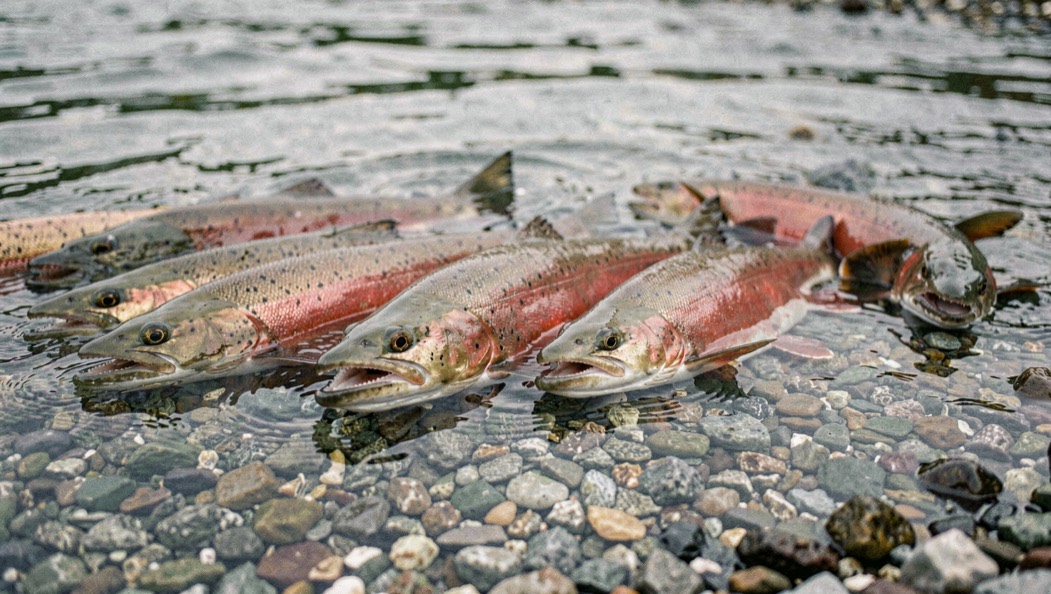
A school of spawning sockeye salmon with unspotted brick red bodies, olive green heads and hooked jaws, holding side by side in clear shallow water over grey gravel, seen from a low bank
Illustration. A scene of the kind of water this section describes; not a documented event.

People talk about the run as if it were a door opening. It is closer to a wave with a long shoulder: a first push of fish, a steep rise, a peak that lasts a matter of days rather than weeks, and a long declining tail in which the fish that remain are not the fish that came first. Three pages follow that shape, because almost every practical question about this drainage, from where fish hold to what is legal on a given day, has a different answer at each stage.

The first push

Early fish are the ones the whole season is judged on, and they are the ones about which least is known while they are happening. Forecasts exist, and forecasts are estimates made before anything has been counted. The first coming is about what the beginning of a run looks like, why the earliest fish matter out of proportion to their number, and why a slow start is not yet information.

The peak, and management by the day

At the peak the fishery stops being governed by a printed schedule and starts being governed by in season decisions taken on the current count. Openings and closings are issued while you are on the water. Peak weeks explains what those instruments are, who issues them, and why the answer to "is it open" can genuinely be different in the morning and in the evening.

The tail

Late in a run the water is usually lower and colder, the early species are done, later species are arriving, and the fish still moving have changed physically: colour, shape and condition all shift as a salmon commits to spawning. The late run is about that transformation and about reading a drainage at the end of its season rather than at its height.

No numbers here either

This section prints no count, no forecast and no escapement goal. All three are published by the Alaska Department of Fish and Game and by the Board of Fisheries, and all three are revised. What the almanac can usefully add is the shape and the machinery. How the counting itself works is set out in reading the water. The ground a trip sleeps on is its own reading, done on foot in the last hour of light: choosing a camp on foot.
Pages in this section

  1. Late afternoon light on the Hotspur Tower arch at the Bondgate in Alnwick, seen from the street with a stone wall and a passing pedestrian in the frame

    Choosing a bed and breakfast or a cottage in Alnwick

    A plain guide to staying in Alnwick: choosing between a bed and breakfast and a self-catering cottage, what a guest house tariff includes, and the

  2. A shaded compound courtyard in late afternoon, a metal teapot and three small glasses on a low table, a plastic chair and a drying cloth

    Field life: a long stay in Senegal

    A plain account of daily life, emotional preparation and packing for a long-term volunteer stay in Senegal, read from the documents.

  3. Late morning light on the circular stone wall of a ridge-top archaeological site above the Utcubamba valley

    A Field Almanac of Cultural Travel in Northern Peru

    A plain, dated reading of cultural travel in northern Peru: Chachapoya archaeology, Kuélap access, wet quebradas, and the practical kit for a slow route.

  4. Late afternoon light on the stone profile of the Dedo de Deus seen from a mirante above Teresópolis

    Teresópolis: a serrano calendar for the carioca weekend

    A plain reading of Teresópolis in the Serra dos Órgãos: small halls, Sunday cinema, mirantes, feiras, and the access logistics from Rio.

  5. A corner of a Dutch cafe at dusk, a chalkboard with a 501 draw beside a wall of framed team photographs, warm low light from a single window

    Watching sport in Dutch cafes: a field note

    A desk note on how Dutch viewers find broadcasts, run 501 nights, and keep a cafe room in order, with one public source and one guide.

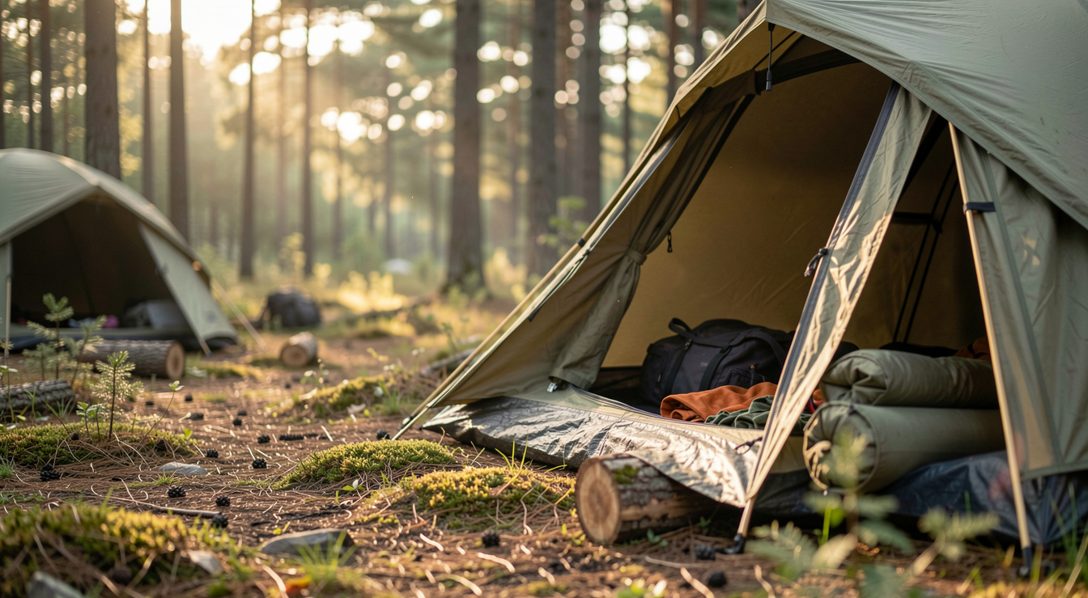
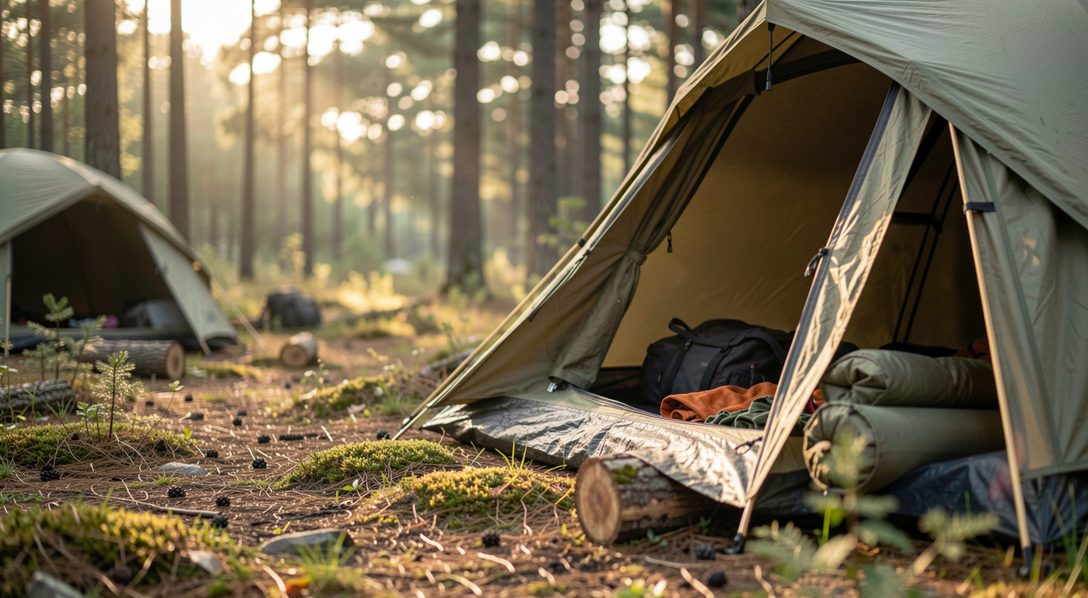
  6. A small canvas tent pitched on a gravel rise above a river flat at dusk, a cooking pot by a cold fire ring, long shadows and low light

    Choosing a camp on foot: the evening checks

    A camp that looks right at dusk fails by morning for reasons that were readable on arrival. The checks are few, they are done on foot, and they are done before the tent goes up.

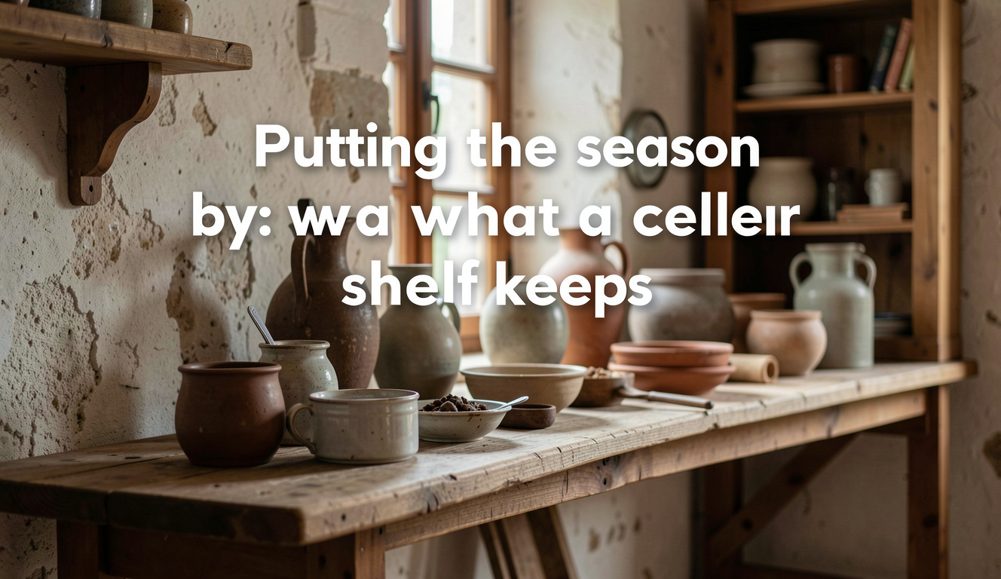
  7. A cellar shelf of sealed glass jars and two corked bottles of dark homemade wine, a crate of apples below, dim cool light

    Putting the season by: what a cellar shelf keeps

    The season does not end when the season ends. What was taken, picked and pressed moves to a shelf, and the shelf becomes the most honest account of the year there is.

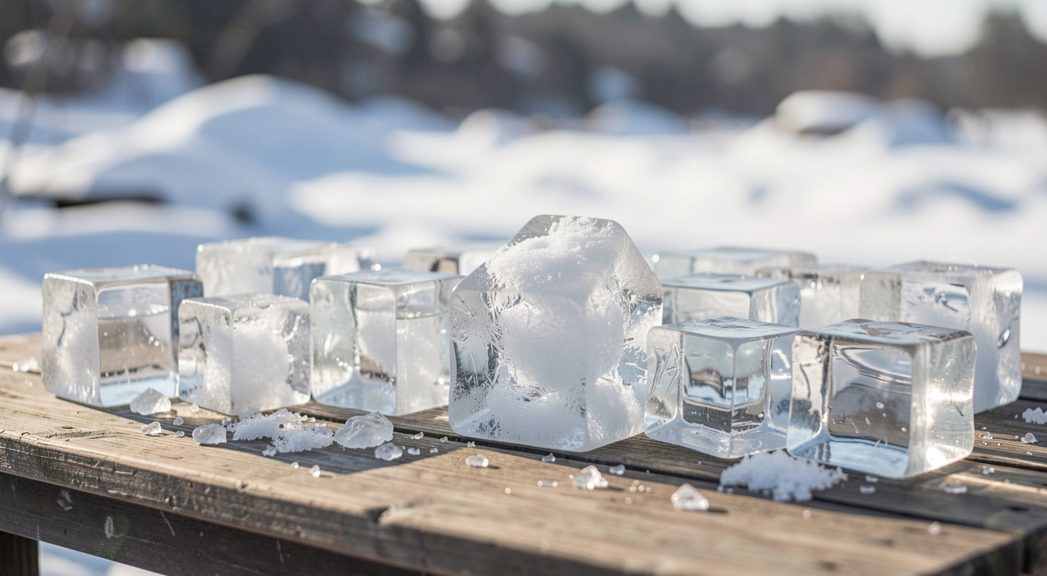
  8. An old metal cooler with its lid open on a tailgate, a block of ice and wrapped packages inside, evening light on a gravel turnout

    What the cooler keeps: ice arithmetic

    Between the taking and the cellar shelf stands the cooler, which keeps for hours what the shelf keeps for months. Its arithmetic is simple and it punishes the careless fast.

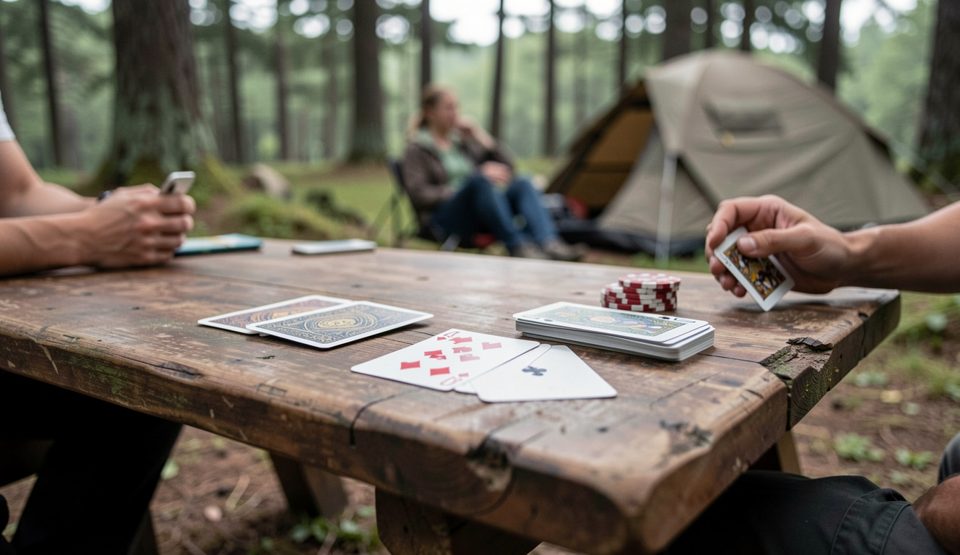
  9. A wooden camp table under a hanging lantern with a deck of cards and a pencilled score sheet, hands out of frame, dark beyond the lamp light

    The table after dark: cards at camp

    A camp evening is short, the light is bad and the company is known. The table game that survives those conditions is the one with a score kept in the open, on paper.

  10. A black and white sheepdog standing at the hold point on open moor, body low and eyes fixed on distant sheep, grey overcast light

    A dog that wants a job: the gathering instinct

    A working dog on open ground is not obeying a mood. It is running a programme older than the fence line, and reading that programme makes a day’s work legible.

  11. An elderly gun dog with a grey muzzle lying on a folded blanket in the bed of a pickup, head up and watching a distant field line, soft morning light

    The old dog and the second season

    The season ends for the dog the way it ends for the cover: gradually, then at once. What an aging working dog can still do, and what it should be spared, is a judgement made on the ground.

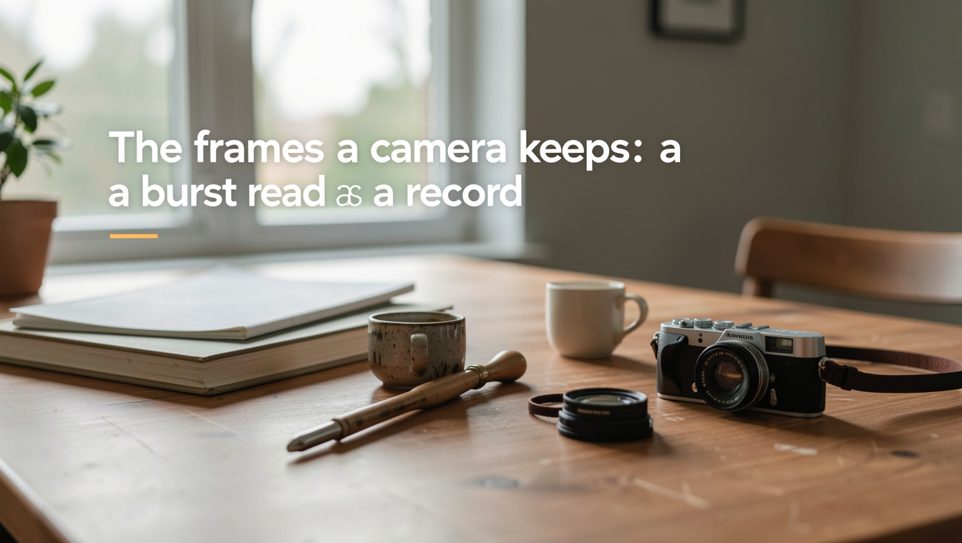
  12. A small trail camera strapped to a fence post at the edge of a brush line, a faint game trail crossing the bare ground in front of it, flat light

    The frames a camera keeps: a burst read as a record

    A single frame records a presence. A sequence records a behaviour. The difference is the same one between a count and a run, and the field cameras keep it cheaply.

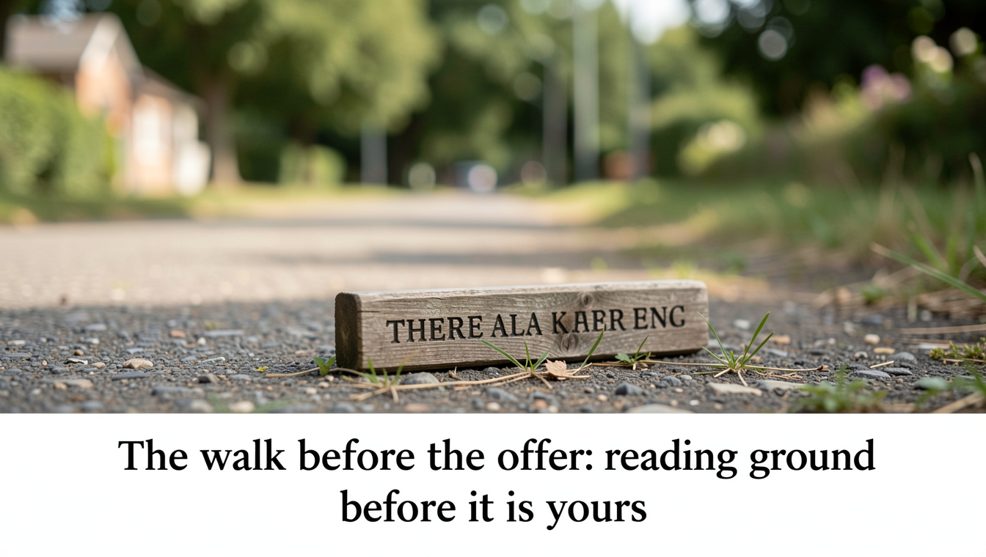
  13. A figure seen from behind standing at a fence corner looking across an ungrazed pasture toward a treeline, a paper map folded in one hand, mid morning light

    The walk before the offer: reading ground before it is yours

    The most expensive reading a person does is the one done before signing. A piece of ground visited once is a photograph; visited four times across a year it becomes a document.

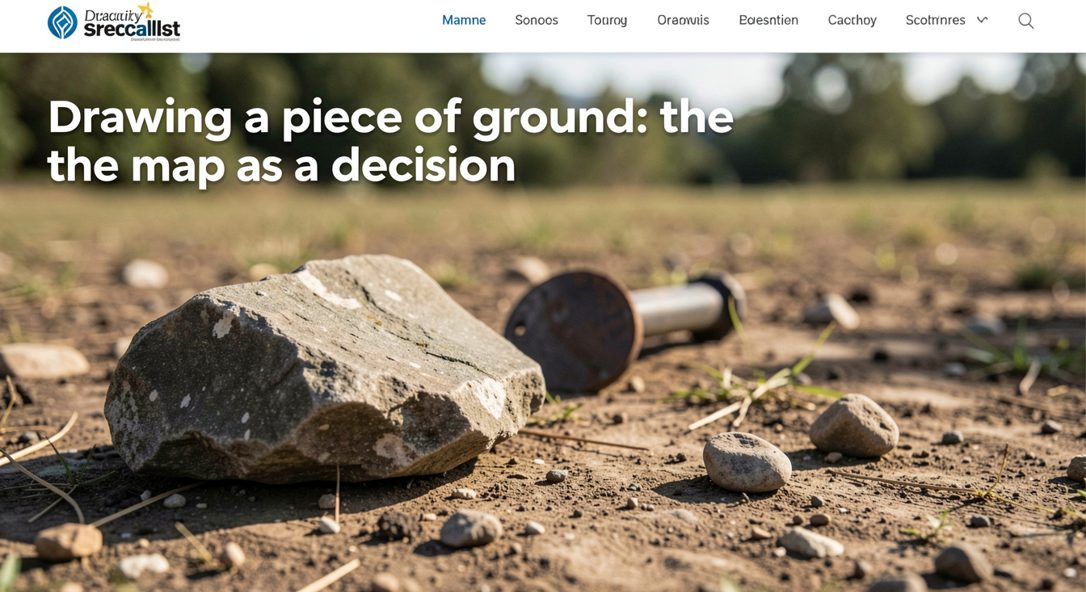
  14. A hand drawn survey map on a clipboard on a fence post, pacing flags visible in the grass beyond, a steel tape on the post, flat daylight

    Drawing a piece of ground: the map as a decision

    Before a piece of ground is changed it is drawn. The drawing is not a picture of the place; it is a decision about which of its facts count, and measuring is the lesson.

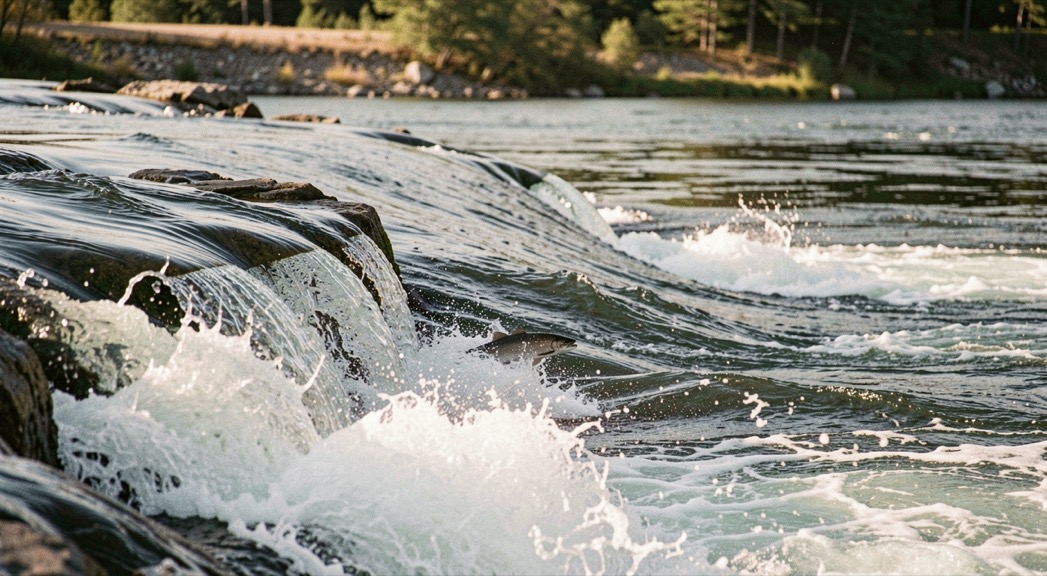
  15. First light on a fast bend of a wide northern river, spray off a rocky lip, one dark fish shape holding below the white water

    The first coming of the kings

    The first kings of the year enter the Nushagak as one long coming, mixed with sockeye and chum, under a sonar that cannot see the whole river. This is how the count is made, what an index is, and where the goals are published.

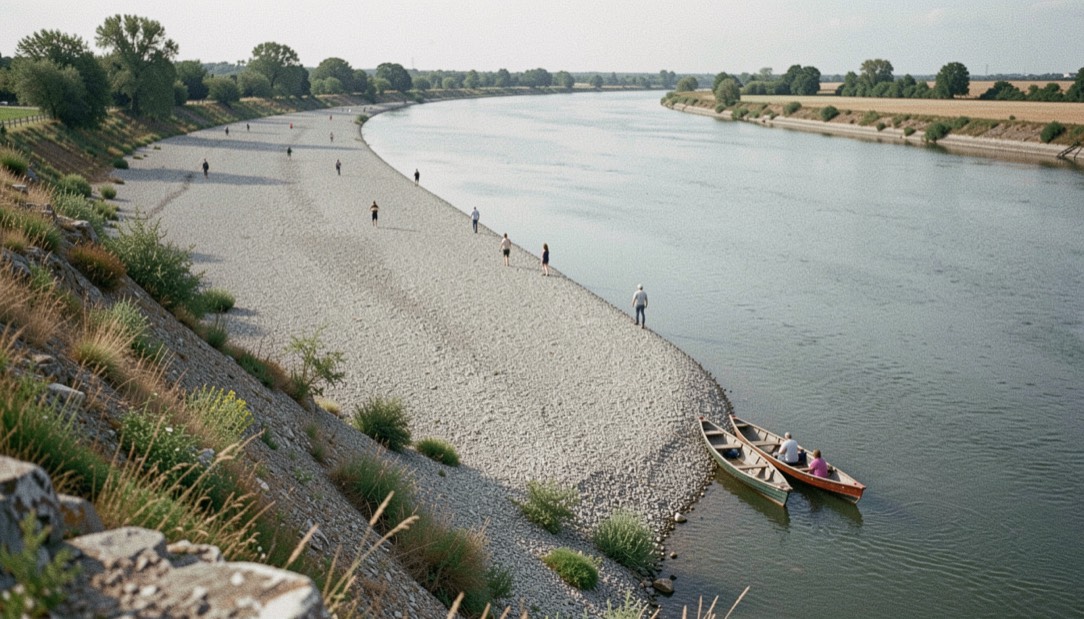
  16. Long gravel bar seen from a high bank, small figures spaced along one seam of a wide river, two drift boats tied at the downstream end

    Peak weeks and what they crowd

    How a peak week in Bristol Bay is governed: board seasons, numbered announcements, the daily run summary, and the escapement goal behind each opening. The board writes the season, the department bends it day by day, and the goal is the line the openings must respect.

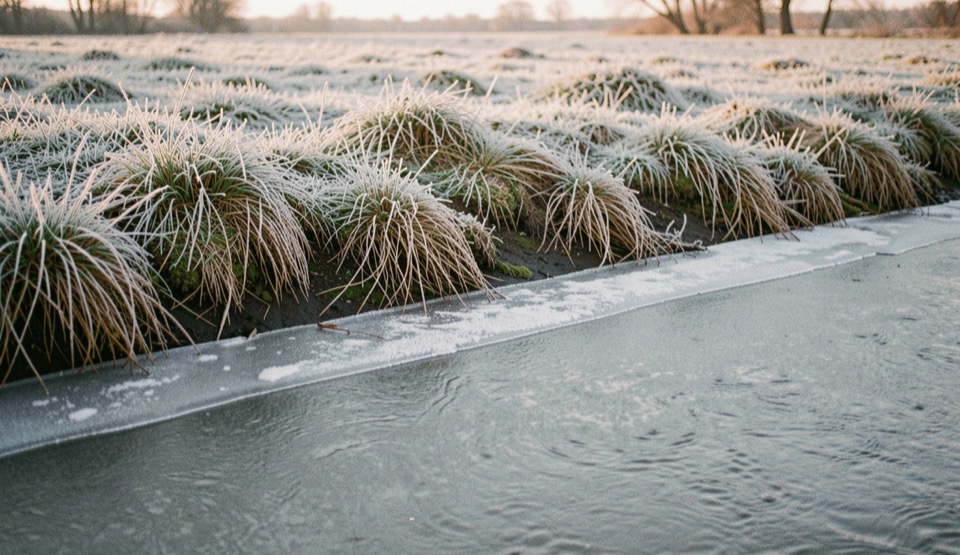
  17. Frost on the grass at the top of a river bank at dawn, the river below holding a flat grey colour under a thin glaze of ice at its edge

    The late run and the cold water

    This page follows the fish that come after the kings and the sockeye, and the documents that still speak for them. The late run is read in the species profiles and the bay’s escapement page, because the Nushagak sonar publishes no estimate for coho or pink.

The neighbouring sections read the same way: Brush Country and Nushagak & the Bay. How the almanac works is set out by The desk of The Brush & the Bay, and the documents it reads are listed on the sources page.