The shortest keeping there is
The almanac has already followed the long keeping, the jars and bottles that hold a season for a year. This page is about the short keeping, the kind measured in hours: the cooler in the truck bed, the bag in the shade of the boat seat, the wrapped package at the bottom of the pack. It is the least glamorous piece of field equipment and the one whose failure is fastest and least forgivable.
A cooler fails in one direction only, toward warm, and the speed of that failure is the whole subject of the page.
The editorial guide Malt and Measure treats the serving of a beer as a subject in its own right: the clean glass, the declared style and the serving temperature that each family of beer was built for, set out under serving temperature and a clean glass. The point for the field notebook is narrower: the cooler’s second job, after keeping the day’s take, is keeping the end of the day honest. A bottle pulled from real ice at the end of real work is one of the few luxuries the field genuinely affords.
How long does ice actually last?
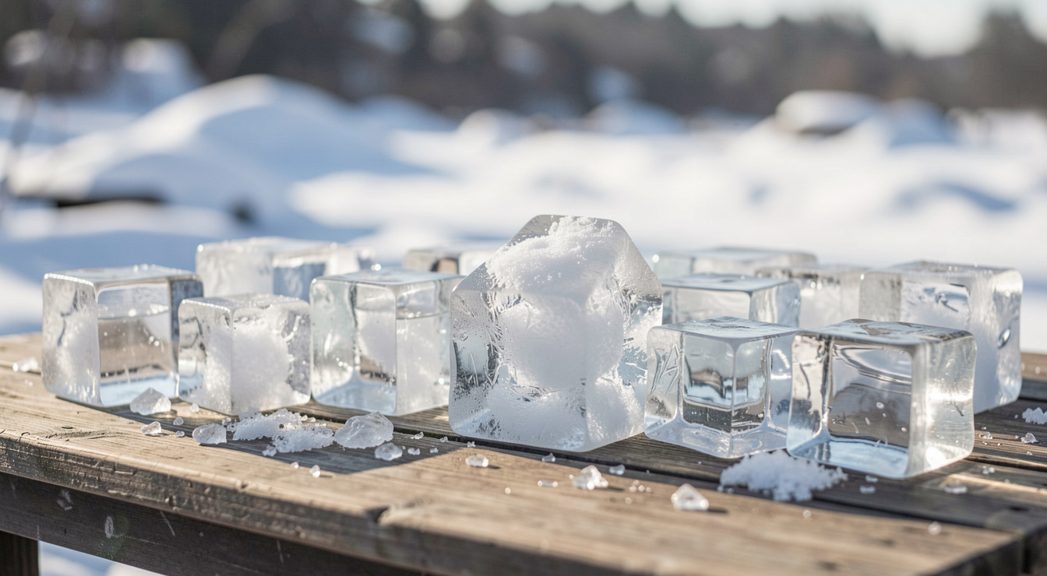
Less than the box claims and more than the pessimist fears, and the honest answer is a function of four things: how much ice went in, how full the box is, how often it opens and what the air around it is doing. A full cooler with a working lid keeps far better than a half-full one, because air is the enemy and empty space is air. Block ice outlasts cubes for the same reason: surface is what melts, and a block has less of it.
The day’s heat is not a figure this almanac prints, because it changes by county and by week. What can be printed is the method: pre-chill the box, fill it, open it on purpose and seldom, and keep it out of the sun even when that costs a walk. The Weather Service’s account of what the heat index does to a working day is the reference for the air side of the arithmetic, at its heat index page.
What does the end of the day allow?
A field day ends with a ritual older than the cooler: the glass at the tailgate or the fire. The almanac’s only rule for it is that the drink is served the way it was meant to be served, which is mostly a temperature question. A beer drunk warm that was brewed to be cold is a different drink, and the discipline of serving temperature is as old as the brew itself.
What goes in first, and what comes out first
The packing order is the day’s plan read backwards. What is needed first goes in last, on top; what must stay coldest goes lowest, nearest the ice. Fish and game taken early ride at the bottom; the noon meal rides above them; the evening’s bottles ride on top, where the lid opens and the ice is nearest the hand.
None of this is complicated, which is precisely why it goes wrong. The failures are all failures of sequence: a cooler opened for a noon sandwich and left open, a package that needed the bottom packed at the top, ice bought at the gas station after the morning was already hot. The arithmetic forgives nothing, and it does not have to.
Does the cooler deserve a page?
Yes, because the chain this almanac keeps, from the taking to the keeping to the table, has a weakest link and it is usually this one. The season date was right, the ground was read right, the fish were there. Then the take rode home in a warm box. The page exists because that ending is avoidable with a list short enough to fit on the lid.
The arithmetic is worth doing once. Block ice melts slower than cubes because there is less surface for the heat to reach; a cooler packed tight fails slower than one half empty, because the air inside is what warms first; and every opening is paid for in degrees. The keeping is therefore a behaviour before it is a piece of equipment: the lid stays shut, the meltwater stays in while fish are in it, and the whole chest rides in whatever shade the truck bed can find.
What leaves the cooler is the other half of the count. Ice taken out for drinks is ice that stops keeping fish, and a cooler opened for a beer every hour is a cooler that has quit its job by evening. The discipline is simple: one opening for the take, one for the table, and the drinks live somewhere else.
The evening that follows the cooler has its own customs, and the oldest of them is the card table. The table after dark is about the games a camp keeps and the score sheets they run on.
The cooler keeps what the field day ends with: ice, a little soda, and a slice of orange, held for the shortest hour there is. The page on what the cooler keeps stops at the lid. The hour after it has its own record, kept elsewhere on this site, where the bitter cocktails, the bar etiquette and the ingredients that hold an evening together are read plainly. The same ice, soda and the orange slice carry from one page to the next, and the reading continues at ice, soda and the orange slice.
The cooler closes a field day the way the ledger closes a season: what it holds, how long the ice lasts, and what the last hour is allowed to taste like. The same plain accounting runs through a longer stay, where daily life, emotional preparation and packing are read from the documents rather than assumed. A cooler answers the short question of keeping; the daily round in the Sahel answers the long one, and the two pages sit on the same shelf for that reason.